
Walk into any appliance aisle or scroll through any online marketplace, and you’ll find dozens of air fryer models spanning a huge range of prices, shapes, and claimed features. Most of that variation is marketing noise. A handful of factors actually determine whether an air fryer will serve you well for years or end up shoved in a cabinet after a few months. Here’s what’s actually worth paying attention to.
Basket-Style vs. Oven-Style
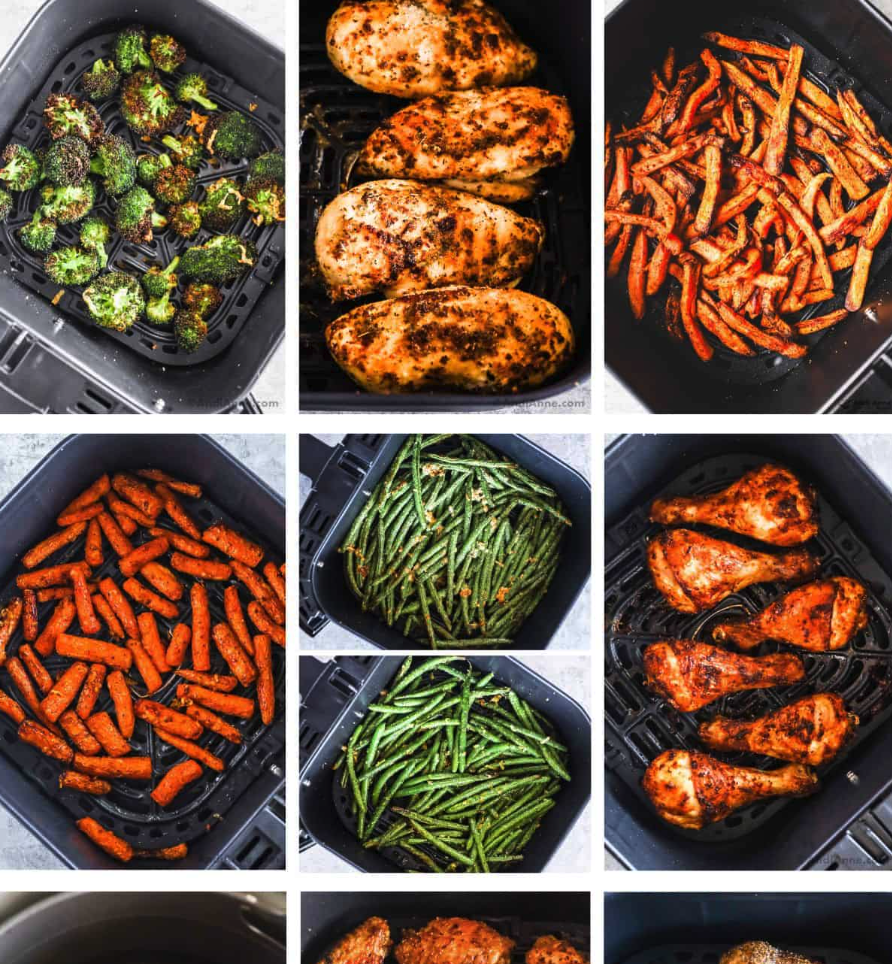
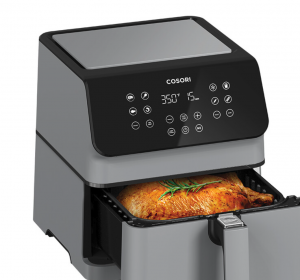
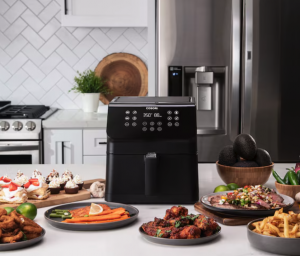
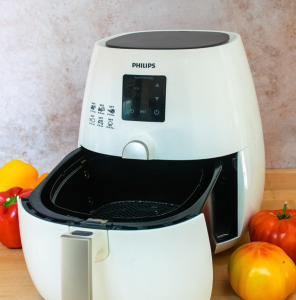
This is the first real decision to make, and it shapes everything else. Basket-style air fryers — the classic pull-out drawer design — tend to produce the crispiest results because the compact chamber concentrates airflow tightly around the food. They’re compact, fast, and ideal for everyday items like fries, chicken, or frozen snacks. Oven-style air fryers, which look like small countertop ovens with a front door and multiple racks, trade a bit of crisping intensity for versatility — you can fit larger items, cook on multiple levels at once, and often bake or roast more effectively.
If your cooking is mostly weeknight staples for one to three people, a basket-style unit is usually the better fit. If you want one appliance that can handle a small roast, a tray of vegetables, and reheating leftovers all with more flexibility, an oven-style model earns its extra counter space.
Capacity: Bigger Isn’t Always Better
It’s tempting to buy the largest basket available “just in case,” but oversized capacity has real downsides. A larger chamber takes longer to preheat, distributes heat less evenly for small portions, and takes up meaningfully more counter and storage space. For one or two people, a 2–4 quart basket is usually plenty. For a family of three or four, 5–6 quarts tends to be the sweet spot. Anything above 6 quarts starts making more sense as a genuine oven replacement than a fast weeknight tool, and is worth it mainly for households that batch-cook regularly.
Wattage and Heating Power
Wattage is a rough but useful proxy for how fast and evenly an air fryer will cook. Most reliable units fall somewhere between 1,500 and 1,800 watts. Lower-wattage models aren’t necessarily bad, but they take longer to preheat and can struggle to maintain consistent temperature once food is added, which matters more than people expect — a sudden temperature drop when the basket opens and closes is a common cause of uneven cooking

Single-Zone vs. Dual-Zone Baskets
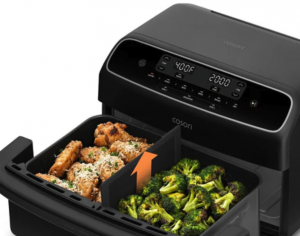
Dual-zone (or multi-zone) air fryers let you cook two different foods at two different temperatures simultaneously, using separate baskets within the same unit. This is genuinely useful for households cooking varied meals — fries at one temperature, chicken at another, both finishing at the same time. Single-zone units are simpler, usually cheaper, and perfectly capable, but require sequential cooking if you’re preparing multiple components. If you regularly cook complete meals with several elements, dual-zone is worth the extra cost. If you’re mostly cooking one thing at a time, it’s an unnecessary complication.
Controls: Touchscreen vs. Dial
This comes down to personal preference more than performance. Touchscreens look sleeker and often pack in more presets, but they can be harder to use with wet or greasy hands and occasionally more fragile over time. Physical dials and buttons are less elegant but tend to be more durable and easier to operate quickly without precise taps. Neither meaningfully affects cooking quality — it’s purely a usability preference.
Presets: Useful Shortcut or Unnecessary Feature?
Most air fryers ship with preset programs for common foods — fries, chicken, fish, vegetables, reheating, and so on. These are genuinely convenient for beginners, since they remove the guesswork of setting time and temperature manually. That said, they’re rarely essential; anyone comfortable adjusting temperature and time themselves can achieve the same or better results without relying on presets. Don’t let the number of presets alone drive a purchase decision — a unit with five well-calibrated presets is more useful than one with twenty vaguely accurate ones.
The Bottom Line
The “best” air fryer isn’t a single model — it’s whichever configuration actually matches your household size, cooking habits, and kitchen space. For most people, a mid-capacity, single-zone, basket-style unit with a removable dishwasher-safe basket hits the right balance of performance, ease of use, and price. Larger households or anyone regularly cooking multi-component meals will get more genuine daily value from a dual-zone or oven-style model, even at a higher upfront cost. The features that matter most rarely show up prominently on the box — capacity fit, basket quality, and noise level tend to matter far more day-to-day than wattage numbers or the length of the preset list.
What Actually Matters When Choosing One
Walk into any appliance aisle or scroll through any online marketplace, and you’ll find dozens…
The Complete Guide to Air Fryers: How They Work and Why They’ve Taken Over Kitchens
A decade ago, almost nobody had heard of an air fryer. Today, it’s one of…
Air Fryer vs Traditional Oven: Is the Switch Actually
Air fryers have been marketed as oven replacements for years now, and CRUXGG’s line —…
Which Should You Buy in 2026?
If you’ve been shopping for a new air fryer this year, two names keep popping…