
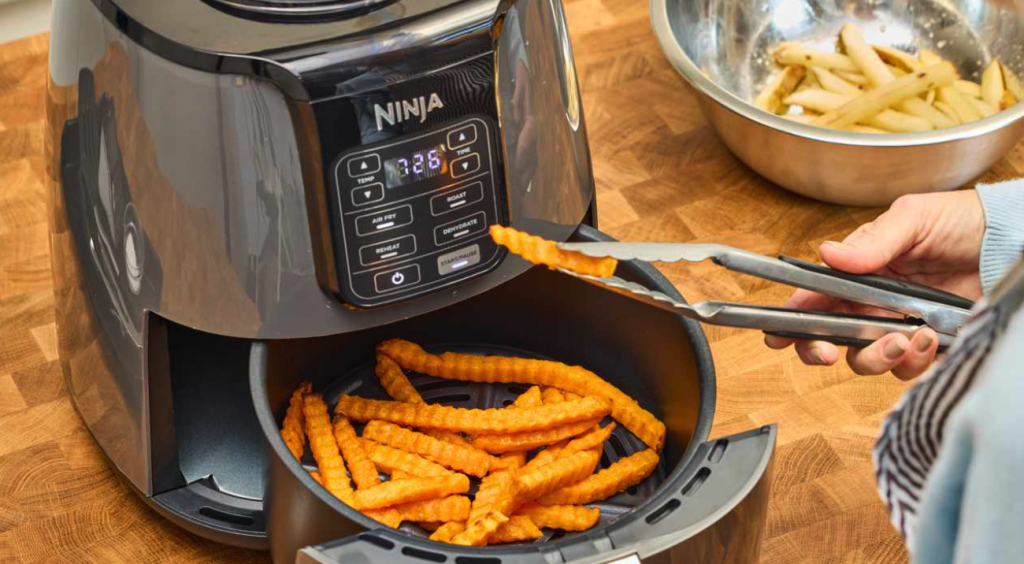
A decade ago, almost nobody had heard of an air fryer. Today, it’s one of the best-selling kitchen appliances in the world, sitting on countertops next to coffee makers and toasters as a genuine kitchen staple rather than a passing trend. But despite how common they’ve become, a lot of people still aren’t entirely sure how air fryers actually work, what makes them different from a regular oven, or whether the hype around them is deserved. Here’s a full breakdown.
How an Air Fryer Actually Works
Despite the name, an air fryer doesn’t fry anything in the traditional sense — there’s no submerging food in hot oil. Instead, it’s essentially a small, high-powered convection oven. A heating element at the top of the unit generates intense heat, and a powerful fan circulates that hot air rapidly around the food basket. Because the chamber is small and the airflow is concentrated, food cooks faster and gets crispier than it would in a full-size oven using the same principle.
The crispiness comes from something called the Maillard reaction — the same browning process responsible for a seared steak or toasted bread — which happens quickly when hot air moves rapidly across a food’s surface, drawing out moisture and browning the exterior. A light coating of oil (often just a spray) helps that reaction along and mimics the texture of deep-frying, but the amount used is a fraction of what traditional frying requires.
Why They Became So Popular
A few things converged to make air fryers explode in popularity. First, health-conscious cooking trends made “less oil, same crunch” an easy sell — people wanted fried-food textures without the guilt or the mess of a deep fryer. Second, speed matters more than ever in busy households; an air fryer preheats and cooks significantly faster than a conventional oven because it’s heating a much smaller space. Third, they’re genuinely easier to clean than deep fryers or stovetop frying setups — most baskets are dishwasher-safe, and there’s no oil to strain, store, or dispose of.
There’s also a generational shift at play. Social media, especially platforms built around quick recipe videos, turned air fryers into a genre of content themselves — thousands of creators sharing air fryer hacks, from reheating pizza to making entire meals, which kept the appliance in constant public view long after the initial hype cycle would normally have faded.
What Air Fryers Are Genuinely Good At
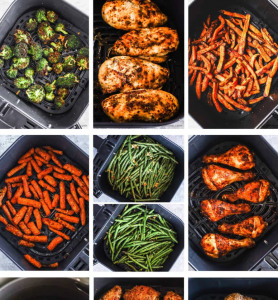
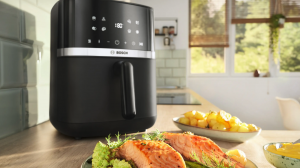
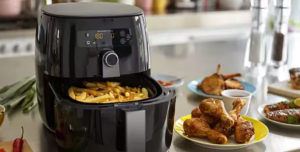
Air fryers excel at anything you’d normally deep-fry or oven-bake for crispiness: frozen foods like fries, chicken nuggets, and mozzarella sticks; breaded proteins like chicken tenders or fish fillets; reheating leftovers (this is an underrated use case — reheated pizza and fried chicken come out far crisper than in a microwave); roasted vegetables, which crisp up nicely in a fraction of the oven’s usual time; and smaller cuts of meat like chicken thighs, pork chops, or salmon fillets.
They’re also excellent for portion-conscious cooking. Cooking for one or two people in a full-size oven is often inefficient — you’re heating a large cavity for a small amount of food. An air fryer’s compact chamber matches that scale much better, both in terms of cook time and energy use.
Where They Fall Short
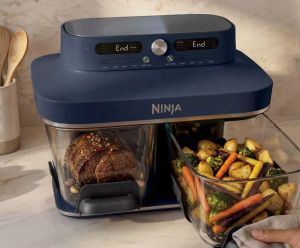
Air fryers aren’t a universal replacement for an oven, and it’s worth being realistic about their limits. Capacity is the biggest one — even a large basket holds a fraction of what a standard oven can. Cooking a whole chicken, a big batch of vegetables, or a full family dinner usually means multiple batches, which erodes the time-saving advantage. Foods that need slow, even heat over a longer period — braises, casseroles, slow-roasted meats — don’t benefit from an air fryer’s short, intense cooking cycle. And batter-based foods (think tempura or anything dipped in a wet batter rather than breaded) tend to cook unevenly or drip through the basket, since there’s no oil bath to set the coating.
Noise is another factor people underestimate before buying one — the fan runs loudly at full power, which can be noticeable in small kitchens or open living spaces.
Health Considerations: Fact vs. Marketing
It’s true that air frying uses dramatically less oil than deep-frying, which is a real benefit if you’re trying to reduce fat intake without giving up crispy textures. But it’s worth separating that from the idea that air-fried food is automatically “healthy.” A chicken thigh air-fried with a light oil coating and the same chicken thigh oven-roasted with the same coating will land in a similar nutritional range — the health benefit shows up specifically when you’re comparing against genuine deep-frying, not against other relatively healthy cooking methods.
There’s also ongoing research into acrylamide — a compound that forms in starchy foods (like potatoes) when cooked at high heat — and while air frying produces less of it than deep-frying, it can still form, so moderation with very high-heat settings on starchy foods is a reasonable practice regardless of the appliance used.
Choosing the Right Size and Type
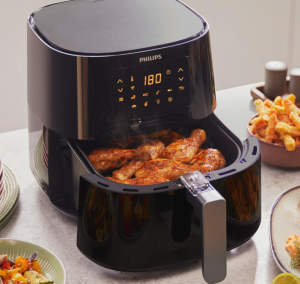
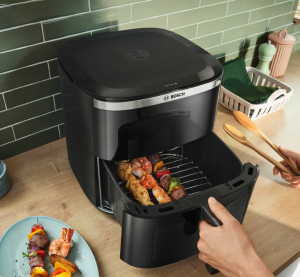
Air fryers generally fall into two camps: basket-style, where food sits in a removable basket and the fan is mounted above, and oven-style, which looks more like a small toaster oven with racks and a front-opening door. Basket-style units tend to crisp more aggressively and are better for smaller, uniform items like fries or nuggets. Oven-style units offer more flexibility for baking, larger cuts of food, and multi-rack cooking, at the cost of some crisping intensity.
Capacity matters more than people expect going in. A 2–3 quart basket suits one or two people cooking simple meals; 5–6 quarts is the sweet spot for most households of two to four; anything above that starts approaching toaster-oven territory and is best for families that batch-cook regularly.
The Bottom Line
An air fryer isn’t magic, and it isn’t a full replacement for your oven or stovetop — but for the specific job it’s built for (fast, crispy, lower-oil cooking of moderate portions), it does that job better than almost any alternative in a home kitchen. The appliances that have earned lasting spots on countertops, rather than getting boxed up after a few months, tend to be the ones used for genuinely everyday tasks — reheating, weeknight proteins, frozen food — rather than as a novelty. Understood with realistic expectations about its limits, it’s one of the more genuinely useful kitchen additions of the last decade rather than just a passing trend.
Check out the model we recently featured
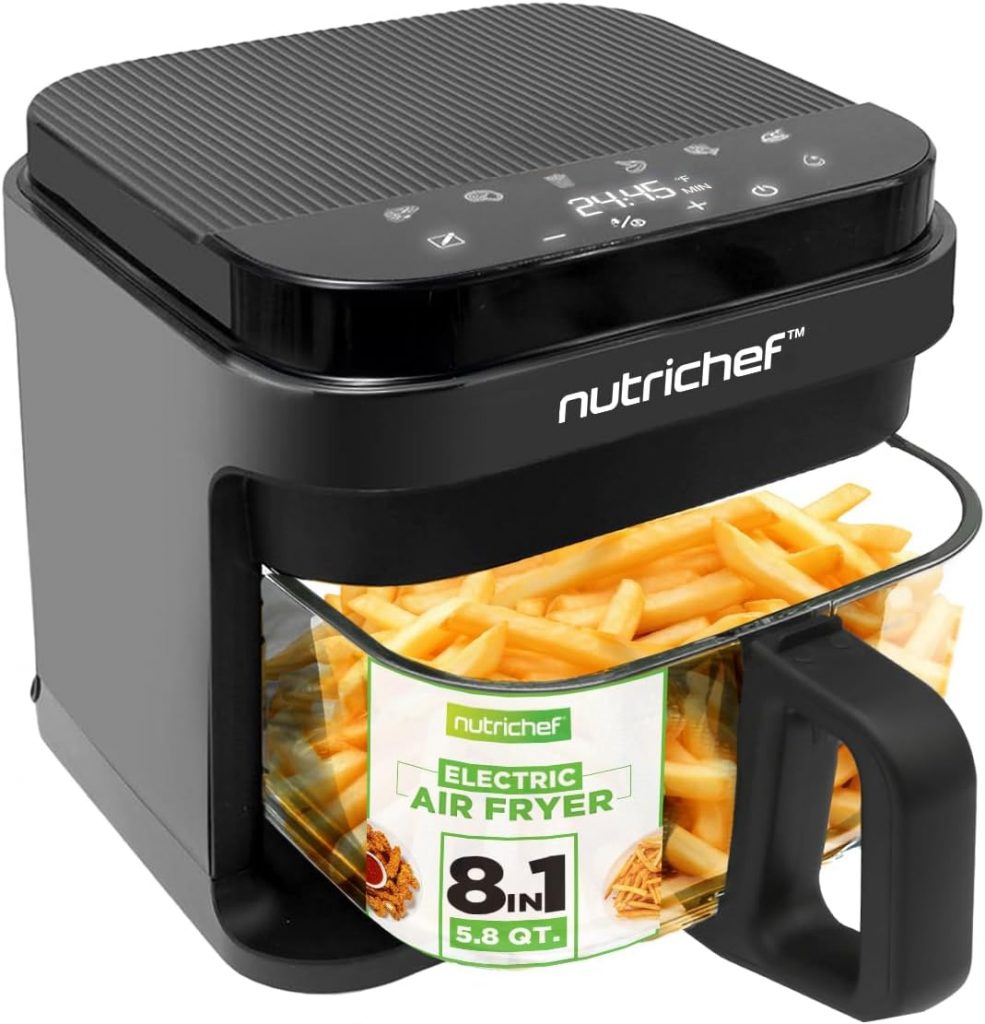
Nutrichef 5.8 Quart Air Fryer | 8-1 Preset Cook Modes
PRECISE COOKING RESULTS – Cook and air fry Shrimp, Steak, Fries, Wings, Fish, Chicken, and Defrost Cooking Presets. Ensure exact cooking results with adjustable temp control (up to 390°F) and timer settings (up to 60 minutes).